

Financial Planning for Plant and Crane Operators
Helping Plant and Crane Operators to Build Wealth and Prosperity
The machine or crane class behind your pay, work that can run project to project and years in the seat all connect. We’ll help you plan them together, from a first ticket to a tower crane or fleet.
Our Financial Advice Team Is Here to Help You






We Can Help You
- Plan dry hire and wet hire income from one machine together, with the tax structure set alongside an accountant
- Work out who pays your super when a contract is mostly for the machine, and plan contributions of your own
- Review any income protection, life cover and super contributions after a step up in crane pay
- Set out seat time, vibration and twisting on an insurance application, so cover is assessed on your real duties
- Prepare for buying an excavator or other machine with a cash buffer, personal cover and finance through a broker
- Budget for a higher crane licence class as a planned cashflow step, including training time and course costs
- Spread pay from one project across the weeks before the next starts, with savings sized for the gaps
- Work out what would fund the household if you stop operating before preservation age, from savings to a new role
Who We Help
- Excavator, dozer and grader operators on civil, road and subdivision projects
- Loader and backhoe operators moving between sites, yards and depots
- Quarry and mine plant operators working loaders, dozers and drills at the pit
- Mobile crane operators stepping up through the slewing crane classes
- Tower crane operators working high above major building projects
- Labour hire operators placed on a different site from one job to the next
- Owner-operators hiring out their own machine, dry or wet
- Plant hire business owners with a few machines and operators on the books
What we advise on
How Our Advice Works for Plant and Crane Operators
Financial Planning & Advice
From operating someone else’s machine to owning your own, does your plan grow with you?
Reviewing your plan each time the work or the machine changes can keep it suited to each step, from operator to owner.
We’ll build a financial plan, or Statement of Advice, from operating someone else’s machine to owning a few of your own.
Buying a machine, choosing between dry hire and wet hire, or adding a second machine can change how you’re paid, who pays your super and what cover suits you. Any finance is arranged through a broker, depreciation and any asset write-off are worked through with an accountant, and plant insurance sits with a general insurance broker.
Together, we’ll work through:
- An excavator, loader or crane quote compared with the work you have lined up, before any finance offer is accepted
- Dry hire, the machine alone, set against wet hire, the machine with you operating, on what each pays and costs
- A second machine or a small plant hire business, weighed against the extra repayments and how much work is booked
- The step from wages to hiring out a machine of your own, with a start date chosen around booked work and savings
- Machine damage, theft and site liability, handled by a general insurance broker, kept apart from cover for you as a person
- Depreciation and asset write-offs on a machine, worked through with an accountant before the purchase timing is set
- Labour hire placements that change from one site to the next, with each new pay rate worked into the plan
- A machine standing idle through a wet spell or a quiet month, planned for with savings set aside from busier weeks
Personal Insurance & Protection
What would cover living costs if illness or injury meant you could never operate machines again?
A TPD lump sum can help with daily costs and new plans if you can’t work again, as the policy defines it.
We can compare income protection, TPD and life cover with you for work done from the seat of a machine or crane.
When you apply, insurers usually ask about your job and medical history before setting the premium and terms, or declining. Many income protection policies work the benefit out from earnings in the 12 months before an illness or injury, so a quiet stretch between projects, or pay that has only recently risen with a crane class, can change what’s paid.
Together, we’ll work through:
- Long hours seated, vibration over rough ground and twisting to look behind, described accurately when you set out your duties
- Climbing on and off machines and up crane ladders, included in your duties so the insurer can assess the work
- Any past back, neck or shoulder treatment, answered fully on an application, since what you disclose can affect a later claim
- Stepped or level premiums, compared over the years you plan to keep operating, so the cost later on is in view
- Sums insured reviewed after a new crane class or a large project lifts your pay, so cover is checked against current income
- A dry-hired machine still earning while you can’t work, and how an income protection policy treats that income, asked of the insurer
- Total and permanent disability definitions, read for whether supervising or training work after an injury could affect a claim
- The timing of any new application, since insurers assess your medical history at the date you apply
Superannuation
Through wages, labour hire and work on your own machine, how could you keep adding to your super?
Knowing which jobs paid super can show where a top-up could help through each change of work.
We’ll work out with you who pays your super on wages, labour hire and wet hire, and what’s yours to plan.
On a contract, a business may still have to pay super if you’re paid mainly for your labour. A contract mostly for a machine you supply is generally not mainly for labour, so super is yours to plan. Where super is payable, the ATO doesn’t count payments for materials, equipment or other non-labour items.
Together, we’ll work through:
- Wet hire contracts that list the machine and your labour as separate amounts, with your super position confirmed by an accountant
- Dry hire income, where a hirer generally pays no super on a machine-only contract, with your own contributions set aside
- Labour hire placements as an employee of the labour hire business, which pays your super, checked on each fund statement
- Default cover in super, which may be lower than you could get outside super, compared against what the household would need
- A jump in crane pay, with extra concessional contributions considered within that year’s cap, which is indexed
- Personal contributions in a slow year between projects, sized to what the household and any machine repayments leave over
- Super for operators you employ in a plant hire business, paid on their wages and planned into the business cashflow
- Investment options set for the number of years before you plan to step out of the seat
Tax & Wealth Strategies
When you’re weighing up a new machine, how could the tax side fit the rest of your plan?
Mapping a machine purchase and its tax against your goals can show whether it would suit the business and household alike.
We can work through what a machine purchase or a business structure means for tax, with an accountant advising on the detail.
Ryker’s financial advisers plan tax and set tax structure and strategy, working alongside your accountant, who prepares and lodges your return. The ATO says income generated mainly by an asset, rather than your efforts or skills, is not personal services income, and an accountant can confirm how that applies to a machine you hire out.
Together, we’ll work through:
- The ATO’s asset test, read with an accountant against what your contracts say about the machine and who supplies it
- Wet hire income, which pays for your skills as well as the machine, reviewed by an accountant against the asset test
- Owning a machine in your own name, a company or a trust, with the structure decided with an accountant
- GST on hire invoices, if you’re registered, held in a separate account until the BAS is lodged, with the amount checked by an accountant
- Selling or trading in a machine, with any tax on the sale worked out by an accountant before you agree a price
- A year with a new machine and a big project together, with the tax effect of both timed with an accountant
- Wages paid to yourself from a company, if one owns the machine, with super and tax on those wages set with an accountant
- Profit from a big hire year, with what to leave in the business and what to draw set with an accountant
Cashflow & Financial Wellbeing
Once a big project pays out, what would you like that money to be for?
Keeping project money out of the everyday budget can turn it into savings for the quiet months and the goals beyond them.
We can build your budget on the pay you rely on, with any big-project money or extra hire income treated as surplus.
Operator pay can change with the machine, the crane class, the project and any enterprise agreement. If an award covers you, on-site civil and earthmoving work generally sits under the Building and Construction Award, while the mobile crane hire industry has its own award. A buffer sized to your fixed costs can carry the weeks between projects.
Together, we’ll work through:
- Machine repayments set against booked work, with a buffer covering the weeks a machine sits without a hire
- A sinking fund for major servicing, tracks, tyres or an engine rebuild, so a big repair is paid from money already saved
- Float and transport costs between sites, priced into the budget for each job you take on
- Payment terms on hire invoices, with the buffer carrying household bills until the money lands
- Time off paid work to train for a higher crane class, plus the course itself, budgeted as a planned step
- A high risk work licence for a crane class, renewed every five years, with the date and any cost kept in the yearly plan
- The last weeks of a long tower crane project, with savings in place before the next start date is confirmed
- A mix of dry and wet hire income, tracked separately so you can see what the machine earns without you
Retirement & Aged Care
If you came off the machines before you could reach super, how would you want to spend those years?
Planning the years before super now can help you step off the machine at a time you choose, and fund the gap.
We can map the years from operating to retirement with you, including a move off the machine before you reach super.
Preservation age is 60 for anyone born from 1 July 1964, and super can generally only be accessed once you meet a condition of release, such as ceasing employment at 60 or over. Selling or keeping any machine you own, and any later move into supervising, rigging or training, can become part of how the years before 60 are funded.
Together, we’ll work through:
- Dry hire of a machine you keep in later years, compared with a sale, as income that doesn’t need you operating
- Sale proceeds from a machine or plant business, planned between debt, super contributions within the caps and savings
- Supervising, rigging or training roles later on, with any new ticket or licence class budgeted before you step across
- A crane licence or plant tickets kept current into your 60s, if you’d like the option of casual work later
- High-earning project years used to build investments you can reach before 60, in case you leave the seat early
- Machines in a plant hire business, valued and sold one at a time or together, with tax on each sale confirmed by an accountant
- An earlier step back from seat time, kept open as an option in the plan if you’d like one
- Retirement income needs set out early, so each year of crane or plant pay can be measured against that target
Property Investment Advice
Is a home or investment property part of what you’d like to build from project work?
Testing repayments on your slowest month can show what your budget could carry for a home, busy season or not.
Together, we’ll test whether a home or investment property suits your pay, using numbers that still work in a quiet month.
A lender decides how it treats project, crane or owner-operator income, and a broker arranges any loan. Borrowing to invest can magnify losses as well as gains, and the loan must still be repaid if values fall. From 1 July 2027, negative gearing on residential property is limited to new builds, though property held on 12 May 2026 is exempt.
Together, we’ll work through:
- Which comes first, a house or a machine, decided on what each does for income, debt and the household
- An investment held for the long term, with the tax on any future sale estimated by an accountant before you buy
- A deposit target set in dollars and a date, fed from any surplus once a project finishes
- A mortgage sized to wages from a lower crane class or a smaller machine, in case the higher rate pauses
- A new build as an investment, which keeps negative gearing from 1 July 2027, weighed against an established property
- Moving for a long project, with renting near the site weighed against keeping or selling any home you own
- Buying property in your own name or through an entity, compared with an accountant, since the choice affects tax and lending
- Rental income from an investment, counted after costs and empty weeks, so the plan doesn’t depend on full occupancy
Your Machine and Your Money, Worked Through Together
Dry and Wet Hire
One plan for what a machine earns on its own and with you operating it.
Your Own Super
Contributions planned for contract work the hirer doesn’t pay super on, beside any employer super.
Cover After a Pay Rise
Sums insured and income protection reviewed with you after a step up in crane or project pay.
Cover for Seat Time
Your duties set out clearly on an application, with the insurer deciding the terms.
Buying a Machine
Savings, personal cover and the budget prepared before you sign, with finance through a broker.
A Higher Licence Class
Training time and course costs budgeted as a planned step up to a new crane class.
Gaps Between Projects
A buffer sized with you for the weeks from one project to the next.
Life After the Seat
Savings and any later role planned for the years after operating, and super from preservation age.

Proactive, Holistic, and Experienced Financial Planning
Operating plant and cranes is precise work that a whole site depends on. Footings, roads and lifts wait for it, and the crew around a machine trusts the person in the seat with every move. We start by getting to know you: how your work comes in, what it pays for and what you’d like it to lead to. Then we shape the advice around that with you, one step at a time.
What you earn on machines can be put towards the goals you care about: a home, a machine or a business of your own, a seat in a bigger crane, or more time with the people close to you. If someone depends on your income, we’ll include them in the plan as well. Wherever your work goes next, we’ll help you plan for the goals that matter most to you, with the years ahead in view as well as this one.
Every financial decision impacts the next
Your Financial Life Is Connected
Great advice starts with understanding the bigger picture. Every stage of life presents new opportunities and challenges, from buying property and changing careers to growing your family, planning for retirement and protecting what matters most. At Ryker, we help connect every piece of your financial world into one clear strategy.
Your
Wealth
- Property & Investing
- Career & Income
- Tax Strategy
- Insurance & Protecting Your Family
- Super & SMSF
- Wealth & Investments
- Life Events & Changes
- Business & Wealth
- Legacy & Future Wealth
- Retirement Planning
Frequently Asked Questions
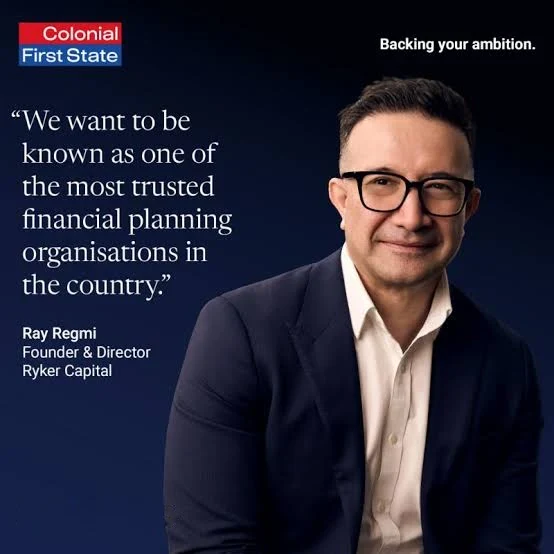
We’re invested in your long-term success. What we do is personal, and we take it personally.
Your financial decisions connect, so we consider the parts of your financial life that are relevant to the advice you need:
- Property & Investing
- Career & Income
- Tax Strategy
- Insurance & Protecting Your Family
- Super & SMSF
- Wealth & Investments
- Life Events & Changes
- Business & Wealth
- Legacy & Future Wealth
- Retirement Planning
This is how we help you make decisions today with your longer-term goals in view.
Everybody’s situation is different, so we listen first, understand what matters to you and explain your options clearly before we make a recommendation.
It helps to have the household side planned before the finance is settled. Points to work through:
- How much work is booked, and how long savings could cover repayments if hire work stops for a while.
- Personal cover, such as income protection, set for owner-operator income, with any cover you already hold in super checked.
- Super, which is generally yours to plan on a contract that is mostly for the machine.
- Any finance, arranged through a broker, who can explain the terms, and depreciation, which an accountant can work through.
- Plant and liability insurance through a general insurance broker.
We can bring these together in one plan with you before you commit.
Your accountant and financial adviser bring different expertise to the same decisions. Your accountant can advise on tax reporting, structures and consequences; we help you plan how cashflow, debt, super, investments and protection work towards your goals. We can coordinate before important decisions.
What an accountant does
- Prepares and lodges tax returns, BAS and financial statements
- Advises on tax structures such as companies, trusts and partnerships
- Manages bookkeeping, payroll and ATO compliance
- Provides tax advice on the consequences of a transaction
What a financial adviser does
- Sets a long term strategy across retirement, investing and cash flow
- Builds wealth from early in a working life, starting with cash flow, a first home and super
- Recommends specific super funds, investments and personal insurance
- Operates under an Australian Financial Services Licence, which is required to give personal advice on financial products
- Handles retirement planning, Centrelink and aged care strategy, and estate planning considerations
Professional roles and authorisations matter. We provide financial advice within our authorisations and work with your accountant for specialist tax advice and lodgements.
Where they work together
- Tax position. Your accountant confirms your marginal rate, deductions and carried forward losses, which shapes decisions on super contributions, investment structures and the timing of asset sales.
- Business and entity structures. Your accountant advises on the structure itself and your financial adviser works within it for investments, insurance and succession planning.
- Cash flow. Your accountant’s figures can help us understand what’s available for debt repayment, protection and longer-term goals.
- Before key decisions. We can coordinate with your accountant on contributions, asset sales and other material choices in time to consider relevant tax consequences.
It depends on what the contract is mainly for, and whether you contract in your own name or through a company, trust or partnership. On a contract, a business may still have to pay super if you’re paid mainly for your labour. A business contracting with your company, trust or partnership doesn’t pay your super. Wet hire pays for the machine and your time operating it, and where super is payable, the ATO doesn’t count payments for materials, equipment or other non-labour items. A contract that is mostly for the machine is generally not mainly for labour, so super is yours to plan.
The ATO expects a contract covering both to value each part separately. An accountant can confirm your position, and we can plan your own contributions with you.
It’s worth checking any cover you hold against the pay you earn now. Points to look at:
- Income protection: many policies base the benefit on your earnings in the 12 months before an illness or injury, so a recent rise may not be fully counted yet.
- Life and TPD sums insured, set against the household’s debts and costs today.
- Default cover in super, which may be lower than what you could get outside super.
- Super contributions, if you’d like to add more, kept within that year’s cap, which is indexed.
We can review each with you, and the insurer decides the terms of any new or increased cover.
A lender’s calculator can show what a machine loan might cost each month, which helps when comparing finance, and a broker can arrange the finance itself.
Advice looks at the household around those repayments: how long savings could carry them if hire work slows, whether personal cover suits owner-operator income, how super will be paid once you contract with the machine, and how the purchase sits beside goals such as a home or retirement.
We can set the repayments against your whole plan with you before you sign.
It depends on what your income is mainly for, and an accountant can confirm your position. The ATO says income generated mainly by an asset, rather than your efforts or skills, is not personal services income. That’s more likely where the asset is essential to the work, large scale or high value, or specified in the contract, and the ATO says the asset is then likely to represent more than 50% of the contract price.
The ATO’s own example is a backhoe operator whose family company digs trenches with its truck and backhoe: the income is mainly from the supply and use of the truck and backhoe, so it isn’t personal services income.
We can plan structure, super and cover around the answer with you and an accountant.
Operating machinery doesn’t necessarily rule it out. The insurer decides, based on your answers about your job and medical history. For an operator, that can include long hours seated, vibration on rough ground and climbing on and off machines or cranes, plus any back, neck or shoulder treatment. Possible outcomes include:
- Cover on standard terms.
- A higher premium.
- An exclusion, which limits cover for specified conditions, events or related claims according to its wording.
- Cover being declined.
Answer every question fully, since what you disclose can affect a later claim. We can compare suitable options with you, and the insurer makes the final decision.
Yes. A first small machine, a step up the crane classes or a fleet of your own are all fine places to start from.
There’s no cost for the initial conversation. Any advice after that is a paid service, with its scope and fee agreed with you in writing first.
It’s useful to have a payslip or a few hire invoices, any hire agreement or machine finance contract, a super statement and the policy details of any insurance you have. We can talk face to face or over video.
Who We Help
Advice for All Stages of Life
From first job to retirement, we help you build wealth, protect it, and live well.

Starting Out
First jobs, first home, first super, HECS debt, budgeting and more.

Growing Families
First home buyers, new parents, school fees, single incomes, young families and more.

Medical & Health
Doctors, dentists, pharmacists, allied health, nurses and more.

Professional Services & Tech
Lawyers, accountants, brokers, engineers, consultants and more.

Trades & Business Owners
Electricians, plumbers, builders, sole traders, franchisees and more.

Corporate & Executive
Executives, senior managers, directors, board members and more.

Public Sector & Defence
Police, firefighters, paramedics, ADF personnel, teachers and more.

Approaching Retirement
Pre-retirees, transition to retirement, Age Pension, aged care, estate planning and more.

Other Stages
Any income, any stage, career changers, separation, second opinions and more.
Reviews
Testimonials from Our Clients

Grow & Protect Your Wealth Today
Whatever’s on your mind, we’re here to help. You’ll speak with an authorised financial adviser who’ll listen first and get to know what matters to you.
Book An Initial Conversation